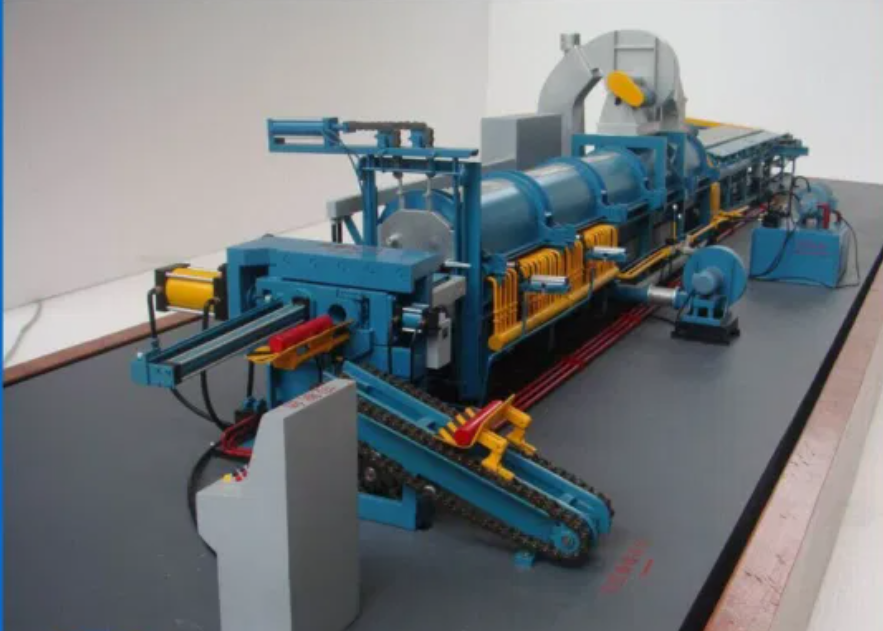

In today’s landscape of sustainable technology, pyrolysis plants have emerged as versatile solutions for converting various types of waste into valuable resources. These plants harness the principles of thermal decomposition in the absence of oxygen to transform organic materials like plastics, tires, and biomass into biochar, pyrolysis oil, and syngas.
This introductory guide explores the intricacies of pyrolysis plants, delving into their operational mechanisms, environmental benefits, economic considerations, technological advancements, and regulatory frameworks.

By understanding the role of pyrolysis plants in waste management and resource recovery, stakeholders can grasp their significance in fostering a circular economy and mitigating environmental impact.
What is a Pyrolysis Plant and How Does It Work?
A pyrolysis plant is a specialized facility designed to thermally decompose organic materials such as plastics, tires, biomass, and organic waste in the absence of oxygen. This process, known as pyrolysis, involves heating the feedstock to high temperatures (typically between 300 to 800 degrees Celsius), causing it to break down into gasses, liquids, and solid residues.
The key principle behind pyrolysis is the transformation of complex organic molecules into simpler, valuable products like pyrolysis oil, syngas (synthetic gas), and biochar.
Pyrolysis plants for sale consist of several essential components, including a feedstock preparation unit, a reactor chamber where the pyrolysis process occurs, a condenser to collect and cool the resulting vapors into liquid products, and systems for gas cleaning and energy recovery.
The feedstock, once loaded into the reactor, undergoes thermal decomposition under controlled conditions, yielding outputs that can be used as fuels, chemical feedstocks, or soil amendments. This versatile technology not only offers a sustainable way to manage waste but also contributes to energy production and resource recovery.
Why Are Pyrolysis Plants Important for Waste Management?
Pyrolysis plants play a crucial role in modern waste management practices due to their ability to convert a wide range of organic waste materials into valuable products. By processing materials that would otherwise end up in landfills or incinerators, pyrolysis plants help reduce waste volume and mitigate environmental pollution. They offer a sustainable alternative to conventional disposal methods, contributing to circular economy principles by recovering energy and resources from waste streams.
Moreover, pyrolysis plants address several environmental challenges associated with traditional waste disposal. They minimize greenhouse gas emissions compared to incineration and landfilling, as the process is carried out in a controlled, oxygen-free environment. The products generated—such as pyrolysis oil and biochar—can be utilized as renewable fuels or carbon-rich soil amendments, promoting environmental sustainability across multiple sectors.
What Types of Feedstock Can Be Processed in a Pyrolysis Plant?
Pyrolysis plants are versatile in their ability to process a wide range of feedstock materials, each contributing to diverse outputs and applications. Biomass, including agricultural residues like straw and husks, forestry residues such as wood chips and sawdust, and energy crops like switchgrass and miscanthus, are commonly used.
Additionally, municipal solid waste (MSW) and industrial waste, including plastics and rubber, can also be effectively processed through pyrolysis. Each type of feedstock offers unique advantages; for instance, biomass residues are renewable and contribute to carbon neutrality, while plastic waste conversion helps in reducing landfill waste and environmental pollution.

How Do Batch and Continuous Pyrolysis Plants Differ?
Batch and continuous pyrolysis plants represent two distinct operational approaches, each suited to different scale and operational requirements. Batch pyrolysis plants operate by loading a fixed amount of feedstock into a reactor, where it undergoes pyrolysis in a controlled environment. Once processing is complete, the reactor is cooled, emptied, and reloaded for the next batch. This method is flexible and suitable for smaller-scale operations or varying feedstock types.
In contrast, continuous pyrolysis plants operate continuously, feeding a steady stream of material into the reactor. This continuous feed allows for a more stable and efficient production process, particularly for large-scale operations where consistent output and higher throughput are crucial. Continuous plants are often preferred for processing high volumes of uniform feedstock, such as industrial waste or dedicated energy crops.
Both batch and continuous pyrolysis plants offer distinct advantages depending on the scale of operation, the nature of feedstock, and specific production goals. Choosing between them involves considerations of efficiency, operational costs, and desired output consistency, ensuring that pyrolysis technology can be tailored to meet diverse industrial and environmental needs.
What Are the Main Components of a Pyrolysis Plant?
A pyrolysis plant comprises several essential components that work together to facilitate the thermal decomposition of organic materials into valuable products. These components include:
1. Feedstock Preparation System: Responsible for shredding or preprocessing the feedstock materials (such as plastics, tires, biomass) into suitable sizes for the pyrolysis process.
2. Reactor Chamber: Where the actual pyrolysis process takes place. It is typically a high-temperature vessel designed to heat the feedstock in the absence of oxygen, promoting thermal decomposition.
3. Condensation System: This system consists of condensers and separators that cool down the pyrolysis vapors, converting them into liquid products (pyrolysis oil) and capturing gasses (syngas).

4.Gas Cleaning System (Gas Scrubber): Removes impurities and pollutants from the syngas produced during pyrolysis, ensuring it meets environmental standards before being utilized or released.
5. Control and Monitoring Systems: Includes sensors, control panels, and software to monitor and control various parameters such as temperature, pressure, and flow rates throughout the pyrolysis process.
6. Energy Recovery System: Utilizes excess heat from the pyrolysis process to generate electricity or provide thermal energy for other industrial processes, enhancing overall energy efficiency.
7. Residue Handling System: Manages the solid residue (char or carbon black) left behind after pyrolysis, which can be further processed or utilized in various applications.
These components are integrated into a coherent system that optimizes the conversion of waste materials into valuable products while ensuring operational safety and efficiency.
How Does the Pyrolysis Process Convert Waste into Valuable Products?
The pyrolysis process is a thermochemical decomposition process that converts organic materials into valuable products through the application of heat in the absence of oxygen. Here’s how it works:
1. Feedstock Preparation: Waste materials such as plastics, tires, biomass, or organic waste are first sorted and prepared. They may be shredded or chopped into smaller pieces to facilitate efficient processing in the pyrolysis reactor.
2. Pyrolysis Reactor: The prepared feedstock is fed into the reactor chamber, which is heated to high temperatures (typically between 300 to 800 degrees Celsius) in an oxygen-deprived environment (anaerobic conditions). This prevents combustion and promotes thermal decomposition.
3. Thermal Decomposition: As the feedstock heats up, it undergoes several chemical reactions. The complex organic molecules break down into simpler compounds, resulting in the formation of three main products:
1.Pyrolysis Oil (Bio-oil): A dark liquid mixture of hydrocarbons that can be further refined into fuels or chemical feedstocks.
2.Syngas (Synthetic Gas): A mixture of hydrogen, carbon monoxide, methane, and other gasses. Syngas can be used as a fuel or as a source of hydrogen and carbon for chemical processes.
3.Biochar: A solid residue rich in carbon and minerals, which can be used as a soil amendment to improve soil fertility and water retention.
4. Condensation and Collection: The vapors produced during pyrolysis are cooled in a condenser unit, where they undergo a phase change into liquid and gas phases. The liquid fraction (pyrolysis oil) is collected for further processing, while the gaseous fraction (syngas) undergoes purification in a gas-cleaning system.
5. Product Utilization: The resulting products—pyrolysis oil, syngas, and biochar—can be utilized in various industrial applications:
1.Energy Production: Pyrolysis oil and syngas can be combusted to generate heat and electricity.
2.Chemical Feedstocks: Pyrolysis oil can be refined into fuels or used as feedstock for the production of chemicals.
3.Soil Amendment: Biochar enhances soil fertility and carbon sequestration when used as a soil conditioner.
What Are the Environmental Benefits of Using a Pyrolysis Plant?
Pyrolysis plants for sale offer several significant environmental benefits, making them valuable tools in sustainable waste management and resource recovery. Here are the key environmental advantages of using pyrolysis plants:

1. Reduction of Waste and Landfill Pressure: Pyrolysis plants help divert significant amounts of waste materials from landfills, thereby reducing landfill volumes and extending their operational lifespans. This mitigates environmental pollution and minimizes the need for new landfill sites.
2. Lower Greenhouse Gas Emissions: Compared to traditional waste disposal methods like incineration or landfilling, pyrolysis produces lower greenhouse gas emissions. This is primarily due to the anaerobic conditions in which pyrolysis operates, which prevents the formation of methane—a potent greenhouse gas—from decomposing organic matter in landfills.
3. Energy Recovery and Resource Efficiency: Pyrolysis converts organic waste materials into valuable energy products such as pyrolysis oil and syngas. These products can be used as renewable fuels or feedstocks for further energy generation, reducing reliance on fossil fuels and promoting energy independence.
4. Soil and Water Quality Improvement: Biochar, a solid residue produced during pyrolysis, is rich in carbon and minerals. When applied to soil, biochar enhances soil fertility, improves water retention, and promotes nutrient uptake by plants. This contributes to sustainable agriculture practices and mitigates soil degradation.
5. Pollution Control: Pyrolysis plants typically include gas cleaning systems (such as scrubbers) that remove harmful pollutants and particulates from the syngas before it is released into the atmosphere. This ensures that emissions from pyrolysis operations meet stringent environmental standards and minimize air pollution.
6. Circular Economy Contribution: By converting waste materials into valuable products, pyrolysis plants support the principles of a circular economy. They enable the reuse and recovery of resources from waste streams, reducing the need for virgin materials and promoting a more sustainable approach to resource management.
7. Environmental Conservation: Pyrolysis plants’ overall environmental footprint is relatively low compared to conventional waste management practices. They contribute to biodiversity conservation by reducing habitat destruction associated with landfill expansion and mitigating the environmental impacts of waste disposal.

Conclusion
Investing in a pyrolysis plant represents a forward-thinking approach towards sustainable waste management and renewable energy production. Whether you’re considering a batch or continuous system, the decision to invest in this technology can significantly impact both environmental stewardship and economic efficiency. For those looking to procure a reliable and high-performance pyrolysis plant, contacting Heavy Industry is highly recommended.
With our proven expertise, commitment to quality, and innovative solutions, Heavy Industry ensures that your investment meets and exceeds expectations in terms of efficiency, reliability, and environmental sustainability. Contact Us today to explore how our advanced pyrolysis technology can support your business goals and contribute to a greener future.