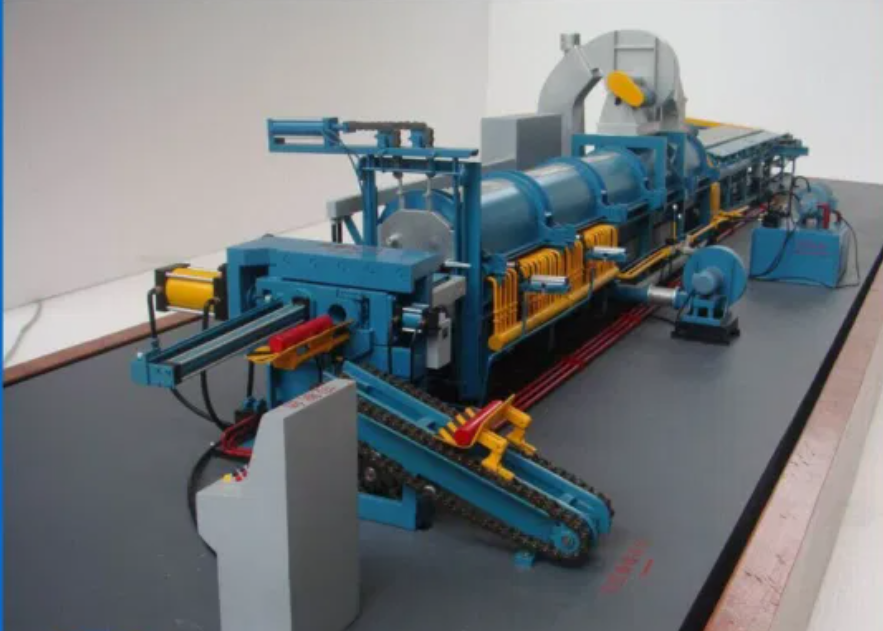
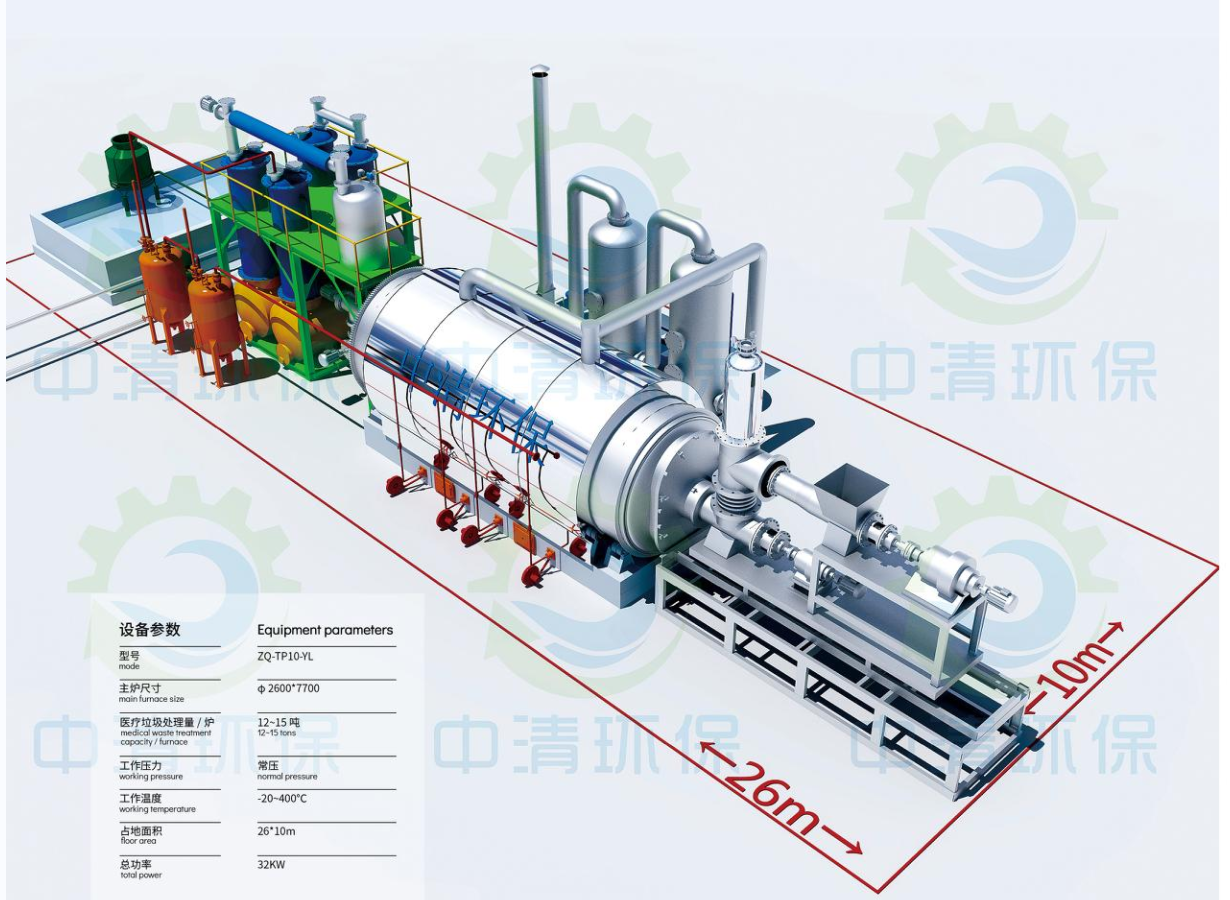
In an era where sustainable waste management and energy recovery are becoming increasingly critical, pyrolysis technology is a promising solution. Pyrolysis machines are designed to decompose various types of waste materials thermally and transform them into valuable byproducts such as pyrolysis oil, synthetic gas, and biochar.
This comprehensive guide delves into the intricacies of pyrolysis machines, exploring their types, components, processes, etc. By understanding the benefits, technological advancements, and economic aspects of pyrolysis, stakeholders can better appreciate these machines’ significant role in addressing global waste challenges and advancing environmental sustainability.

Introduction to Pyrolysis Machines:
Pyrolysis machines are revolutionary devices that enable the conversion of organic materials into valuable byproducts through a thermochemical decomposition process. This technology is gaining traction for its environmental and economic benefits, offering a sustainable solution for waste management and energy production.
What is Pyrolysis?
Pyrolysis is a thermal decomposition process that occurs in the absence of oxygen. It involves heating organic materials to high temperatures, typically between 400°C and 800°C, which breaks down complex molecules into simpler substances. The primary outputs of pyrolysis are gasses, liquids (often referred to as bio-oil or pyrolysis oil), and solid residues (char).
The Science Behind Pyrolysis:
The science of pyrolysis is rooted in thermochemistry. When organic materials are subjected to high temperatures in an oxygen-free environment, the heat energy causes the chemical bonds within the material to break apart. This process can be broken down into three main stages:
1. Drying: The initial stage where moisture is evaporated from the material.
2. Decomposition: The core stage of pyrolysis, where the actual breakdown of organic molecules occurs, resulting in the formation of volatile gasses, liquid fractions, and solid char.
3. Cracking and Reforming: At higher temperatures, complex organic molecules in volatile gasses and liquids can crack further into simpler molecules.
The specific products of pyrolysis depend on several factors, including the type of feedstock, the temperature of the process, and the duration of heating. For instance, biomass pyrolysis typically produces biochar, syngas (a mixture of hydrogen, carbon monoxide, and other gasses), and bio-oil.
Importance and Benefits of Pyrolysis Technology:
Pyrolysis technology offers numerous advantages that make it an important tool for modern waste management and energy production:
1. Waste Reduction: Pyrolysis can significantly reduce the volume of waste materials, converting them into usable byproducts and thereby mitigating landfill use and environmental pollution.
2. Energy Production: The syngas produced during pyrolysis can be used as a fuel for generating electricity or heat, providing a renewable energy source that can help reduce dependence on fossil fuels.
3. Resource Recovery: Pyrolysis enables the recovery of valuable resources from waste materials. Bio-oil can be refined into transportation fuels, while biochar can be used as a soil amendment to enhance agricultural productivity.
4. Environmental Benefits: By diverting organic waste from landfills and reducing greenhouse gas emissions, pyrolysis contributes to environmental sustainability. Biochar also sequesters carbon in the soil, helping mitigate climate change.

5. Economic Opportunities: The byproducts of pyrolysis have commercial value. For instance, biochar is increasingly in demand for agricultural applications, and bio-oil can be a source of bio-based chemicals and fuels.
Types of Pyrolysis Machines:
Pyrolysis machines come in various designs and configurations to suit different operational needs and scales. Each type of pyrolysis machine offers unique advantages, making them suitable for specific applications and feedstocks. Here, we explore the four primary types of pyrolysis machines: batch pyrolysis machines, continuous pyrolysis machines, mobile pyrolysis units, and modular pyrolysis systems.
1. Batch Pyrolysis Machines
Batch pyrolysis machines operate in discrete cycles, processing a fixed amount of feedstock per cycle. These machines are characterized by their straightforward design and ease of operation. The feedstock is loaded into the reactor, where it undergoes thermal decomposition. Once the process is complete, the machine is cooled down, and the residues are removed before the next batch is introduced.
Advantages:
1. Simplicity in design and operation
2. Lower initial capital investment compared to continuous systems
3. Flexibility in handling various types of feedstocks
4. Suitable for small-scale operations and research purposes
Disadvantages:
1. Limited processing capacity
2. Downtime between batches for loading and unloading
3. Less efficient for large-scale industrial applications
2. Continuous Pyrolysis Machines
Continuous pyrolysis machines are designed for uninterrupted, large-scale processing. In these systems, the feedstock is continuously fed into the reactor, and the pyrolysis products are continuously extracted. This design ensures higher efficiency and throughput, making it ideal for industrial applications where consistent and large volumes of waste need to be processed.
Advantages:
1. High processing capacity and efficiency
2. Minimal downtime and higher operational uptime
3. Suitable for large-scale industrial applications
4. Consistent quality of outputs due to steady-state operation
Disadvantages:
1. Higher initial capital investment
2. More complex design and operation
3. Requires steady and uniform feedstock supply

3. Mobile Pyrolysis Units
Mobile pyrolysis units are designed for flexibility and portability, allowing pyrolysis processes to be conducted at various locations. These units are typically mounted on trailers or other movable platforms, making them ideal for applications where waste is generated in different sites, such as in disaster zones, remote areas, or agricultural fields.
Advantages:
1. Portability and flexibility in operation
2. Ideal for remote locations and disaster recovery
3. Reduces the need for waste transportation to centralized facilities
4. Can be deployed quickly to address immediate waste management needs
Disadvantages:
1. Limited processing capacity compared to stationary units
2. Potential logistical challenges in transporting the unit
3. Typically more expensive per unit of processing capacity due to mobility features
4. Modular Pyrolysis Systems
Modular pyrolysis systems are designed with scalability and customization in mind. These systems consist of multiple smaller reactors or modules that can be combined to meet specific processing needs. Modular systems offer the flexibility to scale operations up or down based on demand and can be easily expanded as needed.
Advantages:
1. Scalability and flexibility in capacity
2. Easier to expand or modify the system based on changing requirements
3. Allows for incremental investment and growth
4. Reduces the risk of single-point failures affecting the entire operation
Disadvantages:
1. Potentially higher complexity in managing multiple modules
2. Integration of modules may require sophisticated control systems
3. Initial costs may be higher than single-reactor systems for small operations
Key Components of Pyrolysis Machines:
Pyrolysis machines are intricate systems composed of several critical components, each playing a vital role in the overall process of converting waste materials into valuable byproducts. Understanding these key components helps in appreciating the functionality and efficiency of pyrolysis machines. Below, we explore the main components: the feedstock hopper, reactor chamber, condenser unit, gas scrubber, and control systems.

1. Feedstock Hopper:
The feedstock hopper is the initial component of a pyrolysis machine, where raw materials such as plastics, tires, or biomass are loaded. This component is designed to handle various types of feedstock, ensuring a steady and controlled supply to the reactor chamber.
Functions:
1. Stores and manages the input feedstock
2. Provides a consistent feed rate to the reactor
3. Prevents contamination and moisture ingress
Key Features:
1. Robust construction to handle different materials
2. Mechanisms for controlling the feed rate
3. Often includes systems for shredding or pre-processing feedstock
2. Reactor Chamber
The reactor chamber is the core of the pyrolysis process, where thermal decomposition of the feedstock occurs. This chamber is heated to high temperatures in the absence of oxygen, breaking down the material into pyrolysis oil, gas, and char.
Functions:
1. Heats feedstock to the required pyrolysis temperature
2. Maintains an oxygen-free environment to prevent combustion
3. Facilitates the chemical reactions necessary for pyrolysis
Key Features:
1. High-temperature resistance and insulation
2. Efficient heat distribution systems
3. Temperature control mechanisms
3. Condenser Unit
The condenser unit cools the vaporized products from the reactor chamber, condensing them into liquid pyrolysis oil. This component is essential for capturing valuable liquid byproducts and ensuring the efficient recovery of energy resources.
Functions:
1. Cools and condenses vapor into liquid form
2. Separates liquid oil from non-condensable gasses
3. Maximizes the recovery of valuable pyrolysis oil
Key Features:
1. Effective cooling systems (water-cooled or air-cooled)
2. Corrosion-resistant materials
3. Efficient design to maximize condensation
4. Gas Scrubber
The gas scrubber cleans and purifies the non-condensable gasses produced during pyrolysis. This component removes impurities and pollutants, ensuring that the exhaust gasses meet environmental standards and can be safely released or used as fuel.
Functions:
1. Removes contaminants from pyrolysis gasses
2. Reduces harmful emissions
3. Enhances the quality of syn-gas for further use
Key Features:
1. Efficient scrubbing mechanisms (wet or dry scrubbers)
2. Systems for removing particulates, sulfur compounds, and other impurities
3. Durable and corrosion-resistant construction

5. Control Systems
Control systems are the brains of the pyrolysis machine, managing and optimizing the entire process. These systems monitor various parameters such as temperature, pressure, and feed rate, ensuring that the pyrolysis process operates smoothly and efficiently.
Functions:
1. Automates and controls the pyrolysis process
2. Monitors key operational parameters
3. Provides safety mechanisms and emergency shutoffs
Key Features:
1. User-friendly interfaces for easy operation
2. Advanced sensors and feedback loops
3. Integration with data logging and analysis tools

Conclusion
Pyrolysis machines for sale are a powerful and versatile technology that can transform organic waste into valuable byproducts, providing significant environmental and economic benefits. They offer an effective solution for waste reduction, renewable energy production, resource recovery, and environmental sustainability.
If you are considering investing in a pyrolysis machine and want to ensure you receive a high-quality, professional product, then you should contact us. With our expertise and commitment to excellence, Heavy Industry can provide you with the reliable pyrolysis equipment you need to achieve your sustainability goals.