In the realm of waste management, waste incinerators stand as pivotal facilities designed to thermally treat and dispose of various types of waste materials. Operating on the principle of combustion at high temperatures, waste incinerators convert solid waste into ash, flue gas, and heat.
This comprehensive guide delves into the intricacies of waste incinerators, exploring their operational mechanisms, environmental impacts, regulatory frameworks, and technological advancements. By examining the role of waste incinerators in modern waste management practices, stakeholders can gain insights into their significance in waste reduction, energy recovery, and environmental sustainability efforts.

What is a Waste Incinerator and How Does It Operate?
A waste incinerator is a specialized facility designed to thermally treat and dispose of solid waste through combustion at high temperatures. Operating on the principles of controlled burning, waste incinerators use heat to decompose organic materials and combustible components of waste. The process typically occurs in a controlled environment with stringent air pollution control measures to minimize emissions.
As waste materials are fed into the incinerator, they undergo complete or partial oxidation, resulting in the reduction of waste volume and transformation of solid waste into inert ash, flute gasses, and heat. The heat generated during incineration can be harnessed for energy recovery through steam generation or electricity production, contributing to sustainable energy practices.
Why Are Waste Incinerators Used in Waste Management?
Waste incinerators play a crucial role in waste management by providing a safe and effective means of disposing of solid waste that is not suitable for recycling or composting. They are particularly useful for handling waste streams that are hazardous, contaminated, or difficult to manage through conventional methods.
Waste incineration helps to reduce the volume of waste that would otherwise occupy landfill space, thereby extending the lifespan of landfills and minimizing environmental impact. Incinerators also offer a solution for managing medical waste, pharmaceutical waste, and other materials that require secure disposal to prevent contamination or spread of diseases.
Moreover, by generating energy from waste combustion, incinerators contribute to renewable energy production and reduce reliance on fossil fuels, aligning with sustainable waste-to-energy practices. Despite their benefits, the operation of waste incinerators requires careful management to ensure compliance with environmental regulations and to address concerns related to air emissions and ash disposal.
What Types of Waste Can be Processed in a Waste Incinerator?
Waste incinerators for sale are designed to handle a wide variety of waste types, ranging from municipal solid waste (MSW) to specific hazardous materials. MSW typically includes household waste, paper, plastics, and organic materials, which can be efficiently burned to generate energy or reduce waste volume.
Industrial waste, such as manufacturing residues and commercial waste, also finds treatment in incinerators to minimize environmental impact and comply with regulatory standards. Additionally, medical waste, including contaminated materials from healthcare facilities, benefits from the high-temperature combustion process of incineration, ensuring safe disposal and preventing potential health hazards.
How Does a Waste Incinerator Handle Hazardous Waste?
Waste incinerators are crucial for the safe disposal of hazardous waste due to their ability to destroy toxic compounds and pathogens effectively. Hazardous waste, such as chemical residues, pesticides, pharmaceuticals, and certain industrial byproducts, undergoes controlled combustion at high temperatures within the incinerator’s chambers.

This process ensures complete destruction of harmful substances, reducing the risk of environmental contamination and public health hazards. Advanced filtration and emission control systems further mitigate any potential release of pollutants into the atmosphere, ensuring compliance with stringent environmental regulations and standards.
By employing incineration technology for hazardous waste management, industries and regulatory bodies uphold safety standards while promoting sustainable waste treatment practices.
What Are the Main Components of a Waste Incinerator?
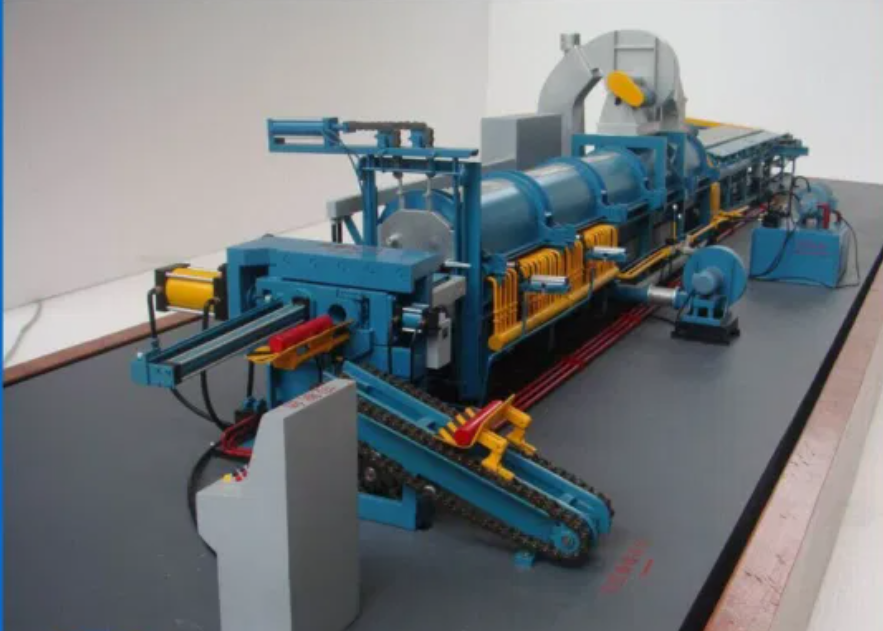
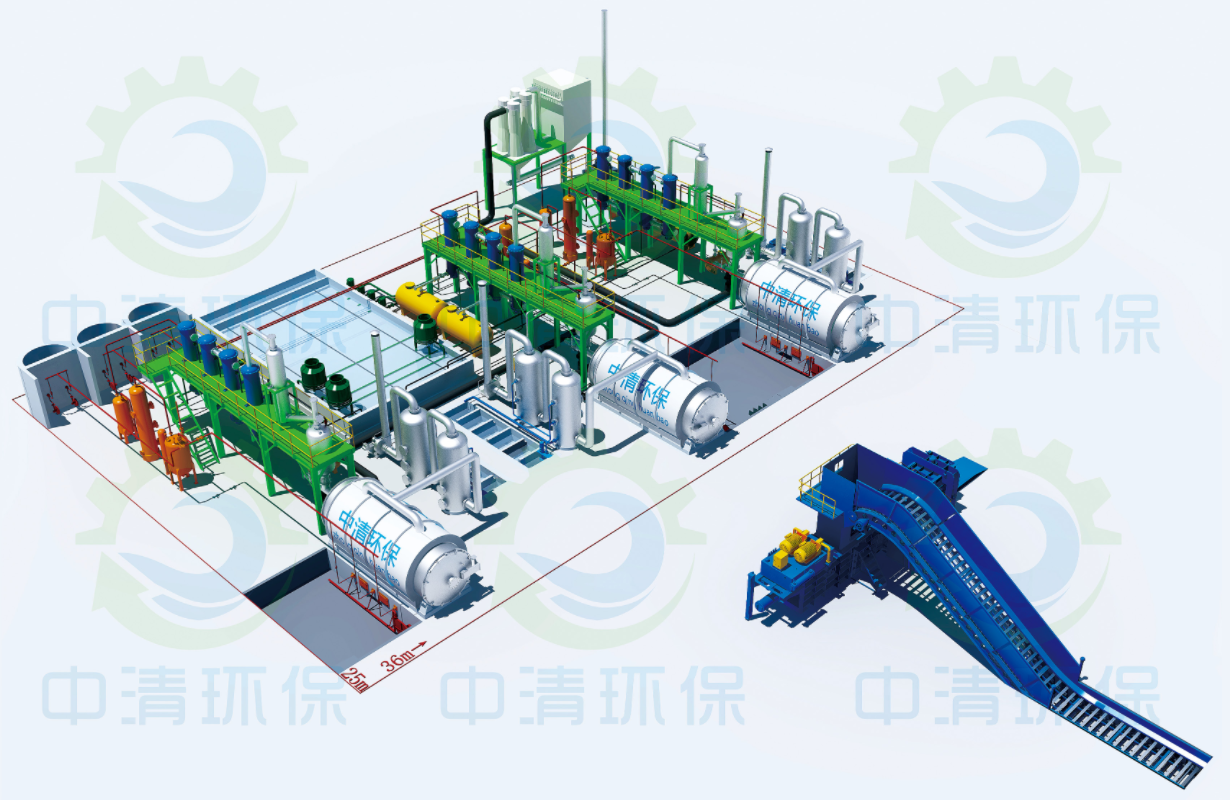
A waste incinerator comprises several essential components that work together to safely and efficiently combust solid waste materials. These components include:
1. Feeding System: Responsible for delivering waste materials into the incinerator chamber.
2. Primary Combustion Chamber: Where initial combustion of the waste materials occurs at high temperatures (typically between 800 to 1200 degrees Celsius). This chamber is designed to promote complete oxidation of combustible materials.
3. Secondary Combustion Chamber (Afterburner): Ensures thorough combustion of remaining gasses and particulates from the primary chamber, further reducing emissions.
4. Air Pollution Control Devices: Including:
1.Baghouse Filters: Capture particulate matter (ash and dust) from the flue gas.
2.Electrostatic Precipitators (ESP): Remove fine particulates by charging them and collecting them on electrodes.
3.Selective Catalytic Reduction (SCR) or Selective Non-Catalytic Reduction (SNCR): Reduce nitrogen oxides (NOx) emissions by converting them into nitrogen and water vapor.
5. Flue Gas Treatment System: Scrubs and neutralizes acidic gasses (such as sulfur dioxide) and other pollutants before releasing flue gasses into the atmosphere.
6. Heat Recovery System: Utilizes heat generated during incineration to produce steam, which can be used for electricity generation or district heating.
7. Ash Handling System: Collects and manages the residual ash generated from incineration, typically for disposal in landfills or for further processing.
These components ensure efficient waste combustion while minimizing emissions and environmental impact.
How Does Waste Incineration Impact Air Quality and Emissions?
Waste incineration can impact air quality through the emission of various pollutants during combustion and flue gas treatment processes. While modern waste incinerators are equipped with advanced air pollution control technologies, emissions can still occur and must be managed carefully to comply with environmental regulations. Key considerations include:
1. Particulate Matter (PM): Incineration produces ash and fine particulates, which can include heavy metals and toxic substances. Baghouse filters and electrostatic precipitators are used to capture particulates before they are released into the atmosphere.
2. Dioxins and Furans: These highly toxic pollutants can form during incomplete combustion of organic materials. Effective combustion control and afterburner systems help minimize their formation, while gas scrubbers and activated carbon filters can remove them from flue gasses.

3. Acidic Gasses: Sulfur dioxide (SO2) and hydrogen chloride (HCl) are produced from the combustion of sulfur and chlorine-containing materials. Flue gas treatment systems neutralize these acidic gasses to prevent acid rain formation and reduce their environmental impact.
4. Nitrogen Oxides (NOx): Formed at high combustion temperatures, NOx contributes to smog formation and acid rain. SCR and SNCR systems reduce NOx emissions by converting them into less harmful nitrogen and water vapor.
5. Carbon Monoxide (CO) and Volatile Organic Compounds (VOCs): Produced during incomplete combustion, CO and VOCs are controlled through optimized combustion processes and thermal oxidation systems.
Can Waste Incinerators Generate Energy? How Efficient Are They?
Waste incinerators play a dual role in waste management by not only safely disposing of waste but also generating energy through the combustion process. Modern waste-to-energy (WTE) facilities utilize the heat produced during incineration to generate steam, which in turn drives turbines to produce electricity. This process is known as waste-to-energy (WTE) or energy recovery from waste.
The efficiency of waste incinerators in generating energy varies depending on several factors, including the type and composition of the waste burned, the design and technology of the incineration plant, and the efficiency of energy recovery systems employed. Typically, incinerators can achieve thermal efficiencies ranging from 70% to 90%. This means that a significant portion of the heat generated from burning waste is converted into usable energy.
Efficiency improvements in modern incinerators include advanced combustion technologies, optimized control systems, and energy recovery methods such as combined heat and power (CHP) systems. These advancements maximize the energy output from waste while minimizing environmental impacts through stringent emission control technologies.
Overall, waste incinerators are recognized for their ability to not only reduce the volume of waste requiring disposal but also contribute to sustainable energy production. Their efficiency in converting waste into usable energy underscores their role in integrated waste management strategies aimed at resource recovery and environmental sustainability.
What Are the Environmental Concerns and Regulations Surrounding Waste Incinerators?
Waste incinerators, despite their role in waste management and energy production, raise significant environmental concerns that must be addressed through stringent regulations and advanced technologies. One primary concern is air pollution, as incineration releases various pollutants such as particulate matter (PM), nitrogen oxides (NOx), sulfur dioxide (SO2), and dioxins/furans. These emissions can pose risks to human health and the environment, necessitating the use of sophisticated emission control systems like electrostatic precipitators, scrubbers, and selective catalytic reduction (SCR) units to minimize their impact.
Furthermore, the incineration process generates ash residues that may contain heavy metals and other hazardous substances. Proper management and disposal of ash are crucial to prevent soil and groundwater contamination. Stringent regulations govern the handling, treatment, and disposal of ash to ensure compliance with environmental standards and protect ecosystems.

Noise pollution and visual impacts are also considerations, especially in densely populated areas where waste incinerators are located. Community engagement and adherence to noise control measures are essential to mitigate these concerns and maintain positive relations with surrounding communities.
Regulatory frameworks vary by region but generally include emission limits, monitoring requirements, operational standards, and periodic inspections to ensure compliance with environmental laws. Regulatory authorities enforce these standards to safeguard public health, minimize environmental impacts, and promote sustainable waste management practices.
Addressing environmental concerns associated with waste incinerators requires a holistic approach involving technological innovation, strict regulatory oversight, public participation, and continuous improvement in operational practices. By adhering to rigorous environmental regulations and adopting best practices, waste incinerators can contribute to sustainable waste management while minimizing their environmental footprint.
Conclusion
In conclusion, choosing a waste incinerator involves careful consideration of environmental impact, regulatory compliance, and operational efficiency. For those looking to invest in a reliable and high-performance waste incinerator, SHANGQIU offers a proven track record of excellence. With our expertise in advanced incineration technology, commitment to quality, and comprehensive support services, Heavy Industry ensures that your investment meets and exceeds expectations.
Contact Us today to explore how their innovative s