Do you know that the waste we dispose of every day can be used to power homes and businesses? On the whole, waste-to-energy is now one of the mainstays in the battle against climate change. The process uses waste for electricity generation, reducing the amount of waste sent to landfills while providing cleaner electricity to millions of people.
The huge role that waste-to-energy plants play helps Europe to meet its environmental objectives. They contribute to waste management and convert waste into valued resources like heat and electricity. The following post looks into the top six companies leading this important industry in shaping a green future for Europe.
But first, why is waste-to-energy important for Europe’s sustainability?
Why Waste-to-Energy Matters in Europe
Europe generates millions of tons of waste each year, and for many years, a large fraction of the total ended up in landfills. However, as concerns over climate change and general environmental pollution have grown, the agenda has moved to the use of such waste more constructively. What has proven to be one of the most effective solutions so far? It is Waste-to-energy plants.
These plants address two major issues: waste management at facilities and the generation of clean energy. Instead of letting the garbage sit in landfills, emitting harmful greenhouse gases, WtE plants burn or otherwise convert the waste into energy to be used to power homes, businesses, and even whole communities.
Waste-to-energy technology promotion was first led by Europe, which corresponded to the climate goals of the European Union, which wanted to decrease landfill waste and increase renewable energy production. Arguably, the plants of waste-to-energy help provide a source of reliable energy at the same time as contributing to reducing environmental damage from waste.
This system also fits into the wider concept of a “circular economy” in which resources are reused and recycled as much as possible. The transformation of waste into electricity shows another step closer to reduced dependence on fossil fuels and, therefore, much lowers carbon emissions for Europe.
Now that we know why WtE is such an important area, some exciting technology behind it is worth discussing.
How Waste-to-Energy Technology Evolved
You might think of the concept of waste-to-energy as merely a matter of garbage burning, but it’s long since moved on from its humble beginnings-merely incinerating it. Today’s WtE plants are fitted with advanced technology that optimizes the energy extracted from the waste, reducing harmful emissions at the same time.
For example, grate combustion systems are widely applied throughout Europe; such plants burn off the waste in a manner that releases maximum energy while reducing pollutants to a minimum. This technology of turning waste into a gas, in turn, known as gasification, enables waste-to-energy plants to further their efficiency and ecological compatibility by producing either electricity or even fuel.
With such innovations, countries like Germany, Sweden, and the Netherlands lead the way in waste conversion systems, making Europe the leading continent in these systems. For this very reason, such initiatives are vital for enabling Europe to play its role in its sustainability goals and ensure that waste-to-energy continues playing a leading role in the continent’s clean energy strategy.
Having passed through a brief overview of how WtE technology has been evolving, let us focus further on the companies bringing about this transformation.
Mitsubishi Heavy Industries Ltd
MITSUBISHI HEAVY INDUSTRIES are among the leading names in waste-to-energy treatments, having almost or over a half-century of experience working in this field. The company has developed some of the advanced WtE systems in Europe, especially in countries where energy demand is at its boom. The MHI systems work on various types of waste, such as municipal, industrial, and biomass.
MHI stands out because of its high technology in steam generators and combustion systems. Systems operating at such extreme temperatures and pressures are bound to recover the maximum energy from waste. Actually, in the plants operated by MHI, quite a lot of efficiencies with low emissions stand. That makes the option quite enticing when countries look for carbon footprint reduction.
For example, as Europe continues to raise the standards and push for clean energy, companies like MHI are essential to this mission. That said, with ongoing research and innovation regarding the subject, they are set to play a much larger role in the future of waste-to-energy technology.
Martin GmbH
Martin is one of the top waste management companies in Germany. It includes the MARTIN® grate systems and provides very effective and reliable solutions in waste-to-energy treatment.
Their technology is designed to handle huge quantities of municipal solid waste while mitigating the environmental impacts. This has become an important factor in German soil, which is believed to be one of the top countries in Europe for recycling and maintaining waste. The MARTIN® system finds wide applications throughout Europe and is appreciated as highly dependable, with long-lasting equipment and minimum maintenance.
This, in turn, helps reduce waste by converting it, in the end, into something useful: energy. Martin GmbH contributes to the local community and the environment. Their emphasis on dependable and viable technology has made them a name to be trusted within the industry of waste-to-energy.
A2A SpA
Another leading player in the WtE market is Italy-based A2A SpA. One of the most valued multi-utility companies in Italy, A2A has built strategic location waste-to-energy plants all over the country, recovering energy or producing electricity and heat for thousands of households, hence helping to reduce waste.
In that respect, A2A’s waste-to-energy approach perfectly fits into Italy’s broader goals in the promotion of renewable energy and landfill waste reduction. They transform waste into an energy resource worth having, and they are leading Italy towards sustainability. Indeed, with Italy’s attention to energy independence, A2A might continue to be a core concern for the energy map of Italy.

Veolia Environnement SA
Veolia has grown into an international giant in environmental services and now has a huge stake in Europe’s waste-to-energy industry. This company operates some of the highest capacity WtE plants, spread across the continent, to provide essential services to keep cities clean while at the same time producing clean energy.
Veolia is committed to reducing emissions, a factor that differentiates it. Advanced technology has been installed in all Veolia plants, which ensures maximum energy recovery under those conditions while limiting pollutants. This makes Veolia one of the leading companies in Europe in terms of waste management and renewable energy production.
Hitachi Zosen Inova
Hitachi Zosen also owns Hitachi Zosen Inova, which was known as Kanadevia Corporation until recently. It has applied itself to the development and implementation of waste-to-energy technology, a very environmentally responsive action. Its technology includes grate combustion systems and fluidized bed reactors that provide efficient conversions with minimal environmental impact.
Hitachi Zosen’s emphasis on high-efficiency combustion contributes a great deal toward lessening greenhouse gas emissions and, in essence, makes the plants of the company very suitable for Europe’s clean energy goals. Their technology currently operates in multiple European countries, and since the demand for clean energy will continue to rise, Hitachi Zosen is expected to keep expanding there.
Heavy Industry
Although Heavy Industry is a newcomer to the European market, it is forging ahead to be well-recognized. With its industrial machinery expertise, heavy industry is modernizing Waste-to-Energy plants by equipping them with advanced technology designed for large-scale energy recovery projects.
This efficiency factor and innovative thoughts have made heavy industry a partner for European waste-to-energy. By grabbing opportunities to build its presence, heavy industry stands in a position to play a key part in such an industry.
Conclusion
Waste-to-energy plants are characterized by various environmental and economic merits, such as reducing landfill disposals while ensuring huge electrical and thermal energy supplies. This is highly relevant in Europe, especially as it moves to address its climate policy objectives when driving to reduce its dependence on fossil fuels.
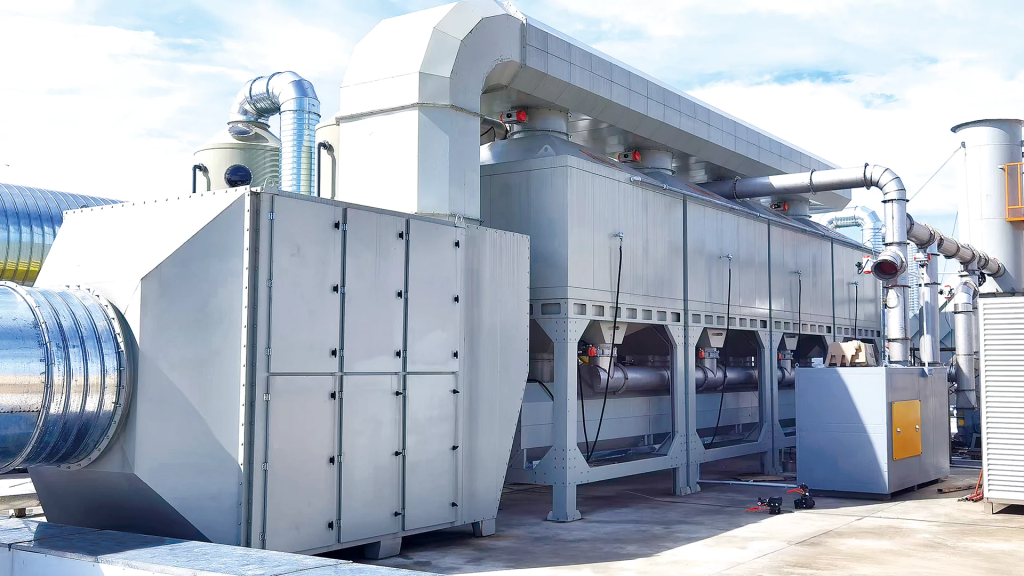
Besides aiding the environment, WtE plants provide jobs and inject money into local economies with a guaranteed source of energy. While there are several challenges faced by the industry, such as high capital costs and concerns regarding the resultant emission, much is being done through R&D endeavors to surmount these obstacles.
As Europe continues to focus on sustainability, waste-to-energy plants will continue to play a key part in the solution. Companies here are leading the exciting transformation, literally helping shape a cleaner, greener future for Europe.
Want to Learn More?
Contact Us! How will Heavy Industry help realize cleaner energy from waste? We are into fantastic technology that makes waste not just dumped but a source of useful energy. If your school, city, or business would like to learn more about how we can help with your waste-to-energy solution, give us a call today.
Contact Heavy Industry today, and let us do our bit together to help make the world a better and cleaner place!